Weekly briefing October 29–November 5, 2026

Science & technology,
in focus.

Ten stories on new research, spaceflight and technology, selected from original reports published during the week.

The weekly selection

Ten stories from the frontier

Coverage: Thursday, October 29 through Thursday, November 5, inclusive. Publication dates—not the dates of earlier experiments—set the order.

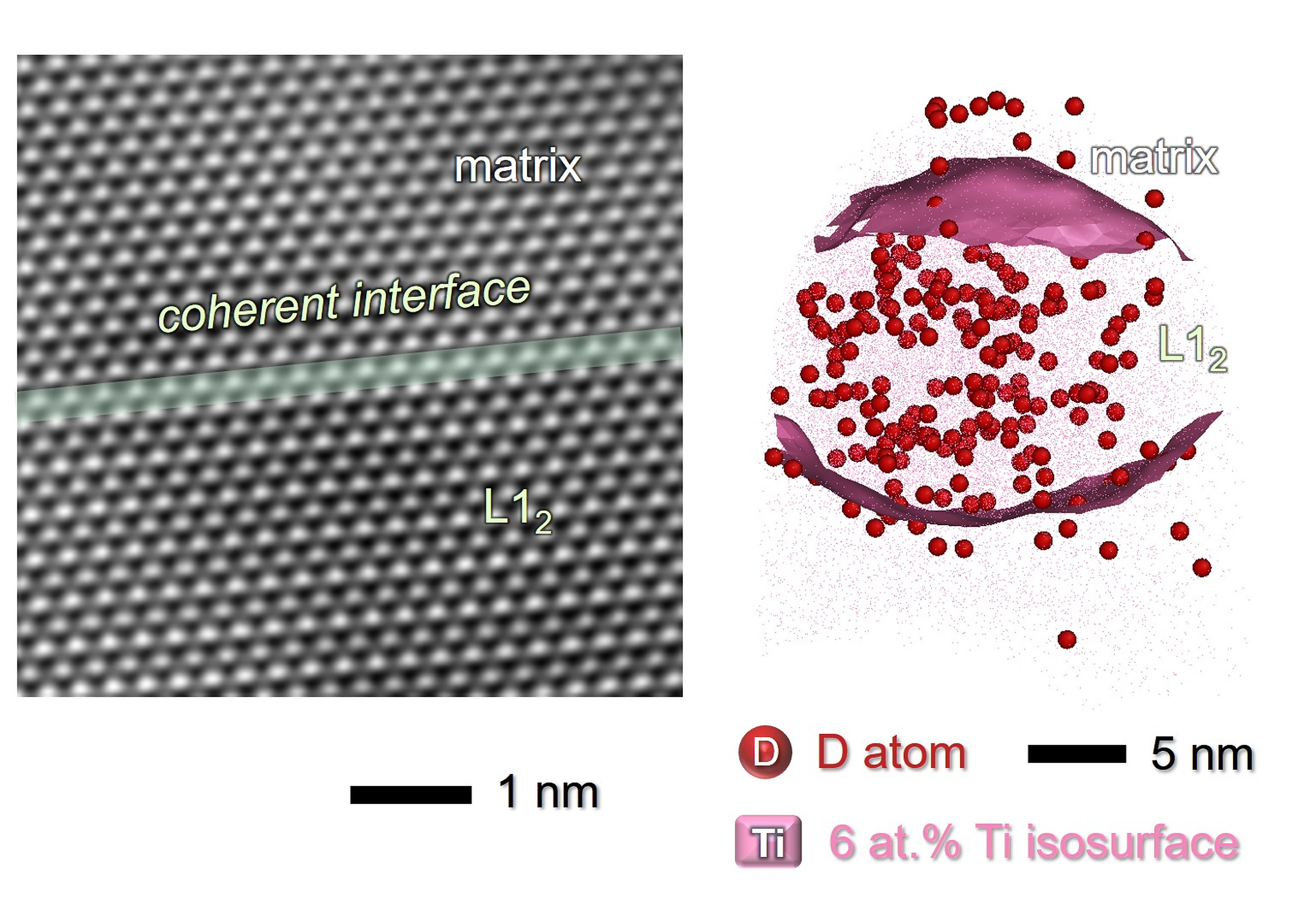
Research image accompanying a report on observing hydrogen in metal alloys
Image: University of Sydney
Materials

Hydrogen observed between metal atoms

Researchers at the University of Sydney reported direct observation of hydrogen in the spaces between atoms in metal alloys. Cryogenic atom-probe tomography with deuterium revealed how the surrounding atomic structure influences where hydrogen gathers—a step toward understanding metal embrittlement, not yet a new resistant material.[1]

Read the University’s report
Clinician examining an MRI brain scan
MRI image: Getty Images / Karolinska Institutet
Health · Neuroscience

Faster tau build-up in younger-onset Alzheimer’s

A comparison of tau PET scans from 390 people whose symptoms began before 65 and 211 with later-onset Alzheimer’s found more widespread tau and faster accumulation in the younger group over follow-up scans. The finding highlights a research need for timely diagnosis; it does not establish a new treatment.[2]

Read Karolinska Institutet’s report
Person speaking into a headset microphone
Illustrative photo: iStock / UW News
AI · Society

AI models score some accents lower

In tests involving four multimodal models and five English accents, researchers found that Chinese- and Nigerian-accented speakers generally received lower scores than American- and British-accented speakers—even when the spoken content was the same. The study warns against treating AI speech scores as neutral measures in hiring, exams or presentations.[3]

Read UW News’ report
NASA-generated concept image of the X-70 Fractal experimental aircraft
NASA-generated concept image · aircraft not yet flown
Aviation

NASA announces the X-70 research aircraft

NASA announced the crewed, reconfigurable X-70 Fractal as a platform for flight-control and maneuverability research. The agency says the aircraft’s first flight under NASA is expected within two years; the image is a generated concept, not a photograph of a flight.[4]

Read NASA’s announcement
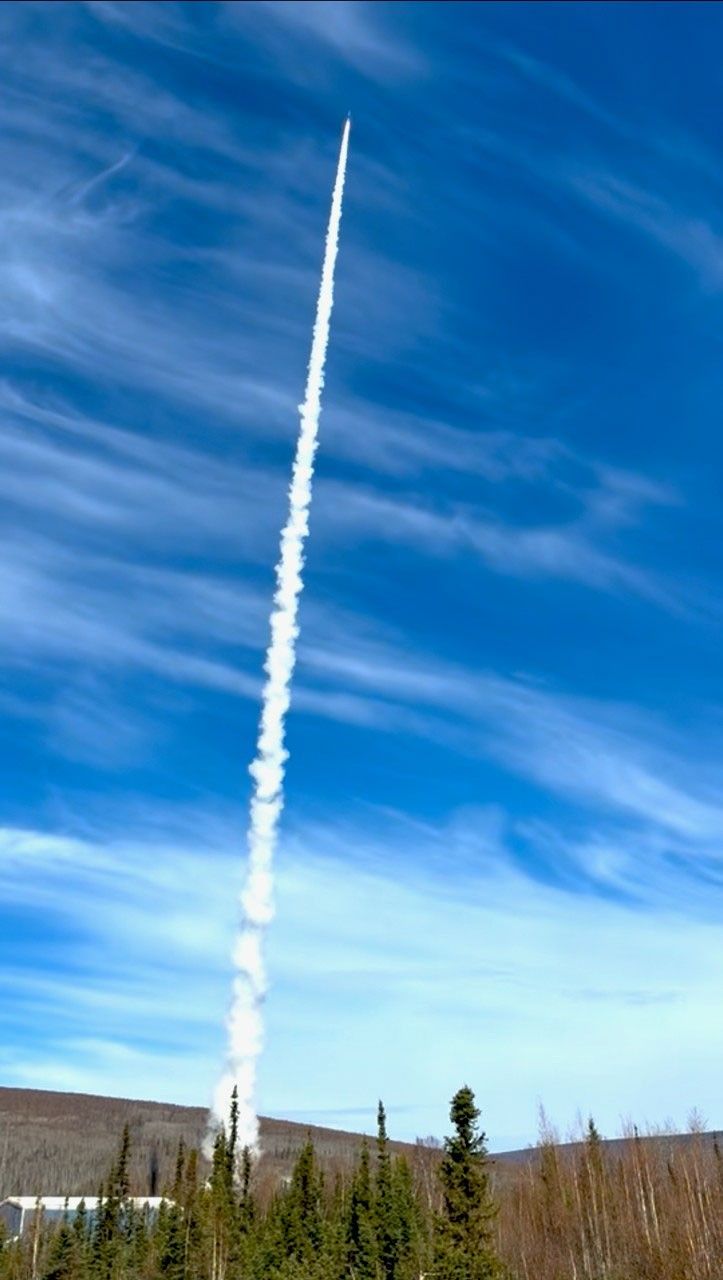
A NASA sounding rocket launches into a blue sky
FOXSI-5 sounding rocket, May 2026 · NASA
Sun · Space weather

A flare alert system helps time rocket launches

NASA described an alert system that estimates a solar flare’s location and duration, helping teams time short sounding-rocket observations. The November 4 report covers launches in 2024 and May 2026; it does not describe a launch on November 4.[5]

Read NASA’s science report
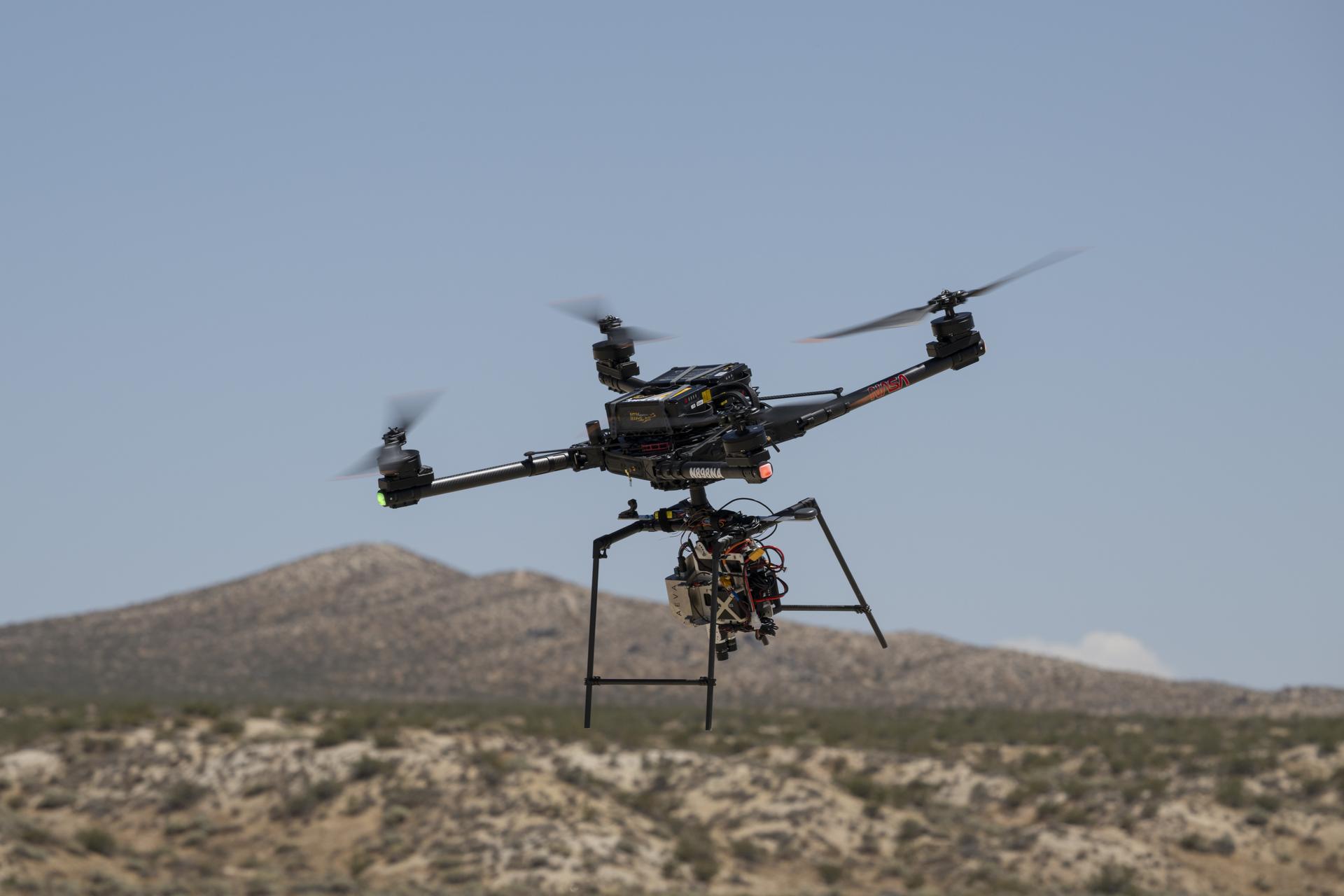
Alta-X drone carrying NASA’s SPLICE landing-navigation experiment
Alta-X during SPLICE testing · NASA / Ryan Kline
Spaceflight

Autonomous navigation tested for planetary landings

NASA reported that its SPLICE payload completed simulated lunar-descent maneuvers on an Alta-X drone on August 27. The system maps terrain and can divert from an unsafe target area. This was a California flight test—not a landing on the Moon.[6]

Read NASA’s test update
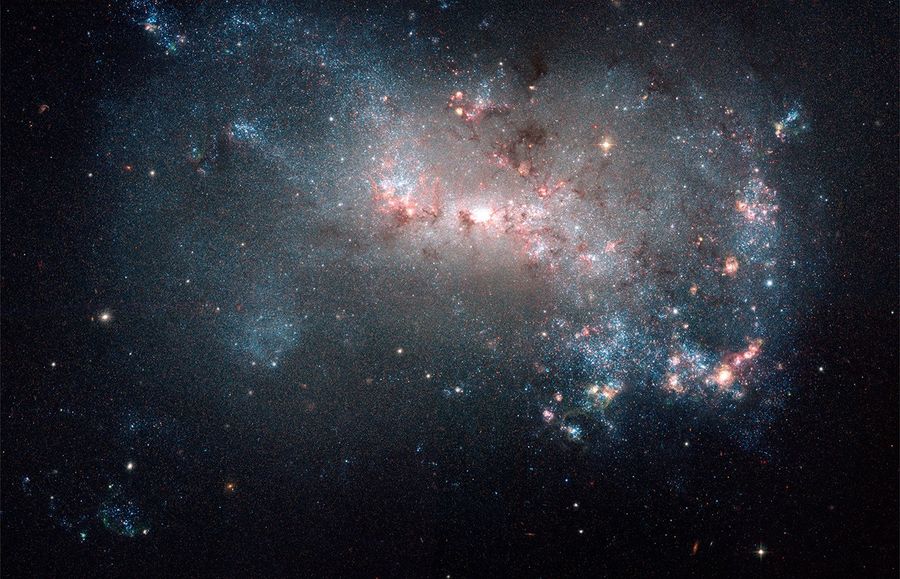
Irregular dwarf galaxy NGC 4449 imaged by the Hubble Space Telescope
NGC 4449 · NASA / ESA / Hubble Heritage / Alessandra Aloisi
Astronomy

Hubble tracks oxygen missing from dwarf galaxies

Observations of 37 nearby dwarf galaxies found less oxygen than models predicted. The study points to stellar and supernova-driven winds as an efficient way for these small galaxies to lose oxygen; where all of the expelled material ends up remains unresolved.[7]

Read NASA Hubble’s report
Artist’s rendering of a rocky exoplanet with an atmosphere
Artist’s rendering · 852278-MCS / Wikimedia Commons
Exoplanets

A “lifeless Earth” model for reading alien atmospheres

A University of Washington team modeled exchanges among Earth’s interior, surface and atmosphere across five billion years while leaving out life. The model offers a baseline for testing whether rocky exoplanet atmospheres could arise without biology; the underlying paper was published September 18.[8]

Read UW News’ report
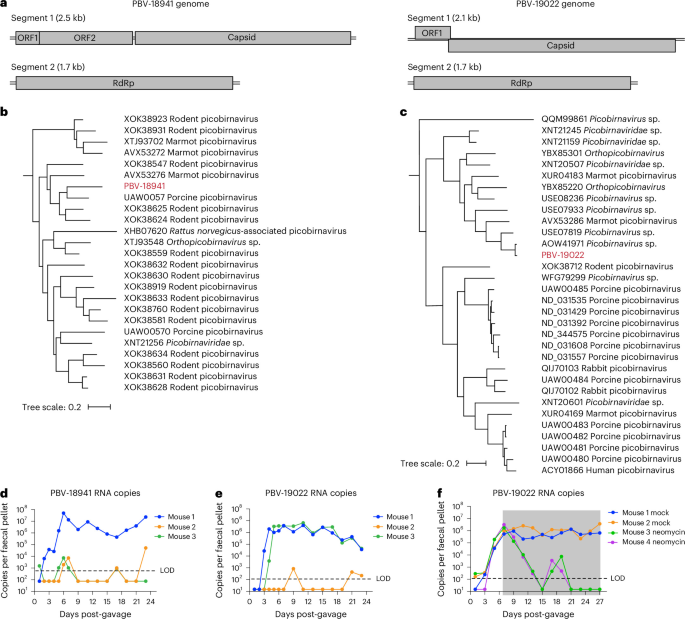
Study figure showing picobirnavirus growth in germ-free mice after microbiota transfer
Study figure · Nature Microbiology
Microbiology

A gut-associated virus turns out to infect bacteria

A Nature Microbiology study showed that one human gut-associated picobirnavirus infects bacteria, identifying a previously undescribed Candidatus Anaerotignum faecalis as its host. It establishes a third known clade of RNA bacteriophages; it does not show that every picobirnavirus infects bacteria or causes human disease.[9]

Read the Nature Microbiology paper
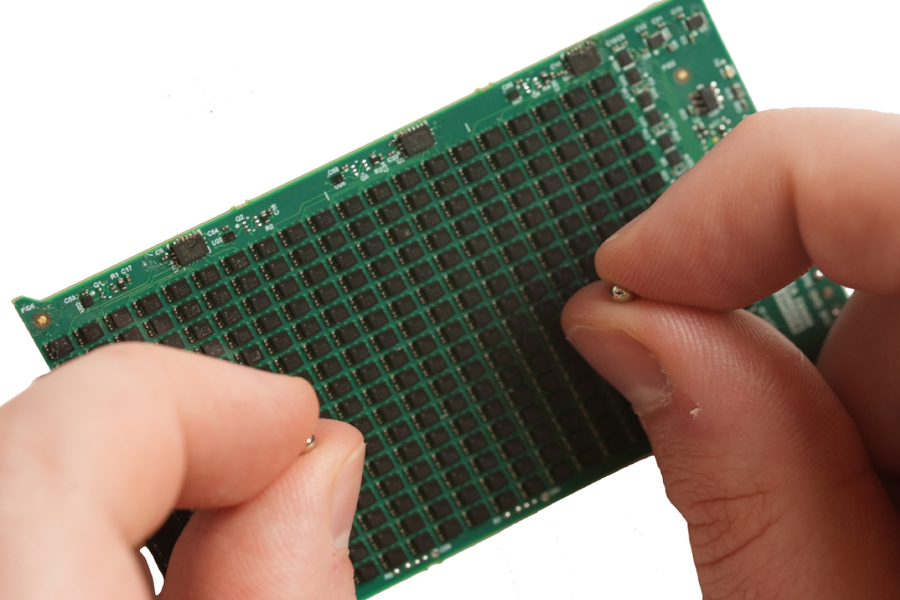
Two small magnetic beads held above a circuit board
Courtesy of the researchers / MIT
Bionics

Magnetic sensors could improve prosthetic control

MIT researchers tracked muscle movement using tiny implanted magnetic beads, demonstrating measurements in three people with below-knee amputations. The approach may give prosthetic controllers richer motion signals, but remains a research technology rather than a commercial device.[10]

Read MIT News’ report